
Zero Trust Architecture Explained for Security+ (With Sample Questions)
Zero Trust Architecture is one of the biggest additions to the SY0-701 exam—and one of the most misunderstood concepts in cybersecurity. If you are preparing for Security+, you need to understand it deeply, not just memorize a definition. This guide breaks down the core principles, shows you real-world applications, and gives you practice questions with detailed explanations so you walk into exam day with confidence.
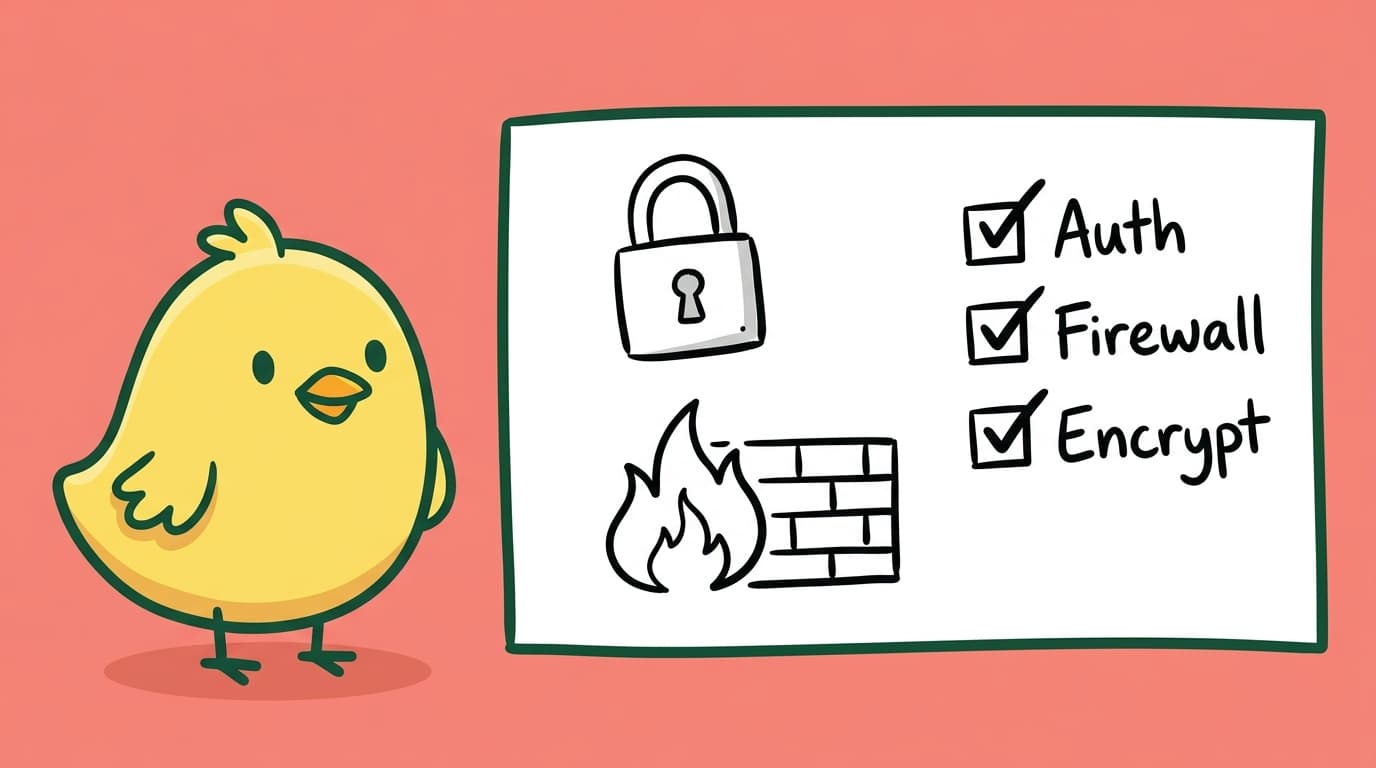
What Is Zero Trust, Really?
Traditional security models operate like a fortress: hard outer shell, soft inside. Once you are past the firewall, you are trusted. Zero Trust flips this entirely.
"Never trust, always verify" is the core mantra. In a Zero Trust model, no user, device, or application is trusted by default—regardless of whether they are inside or outside the network perimeter. Every access request is fully authenticated, authorized, and encrypted before access is granted.
This matters because the traditional perimeter is dead. Remote work, cloud services, and BYOD policies mean your "network" is now everywhere. Zero Trust acknowledges this reality and adapts security accordingly.
The Three Core Principles You Must Know
For the SY0-701 exam, you need to know these three principles cold:
1. Verify Explicitly. Every access request must be authenticated and authorized using all available data points: user identity, device health, location, service health, and anomaly detection. No assumptions.
2. Use Least Privilege Access. Users get only the minimum permissions they need to do their job—and only for the time they need it (Just-In-Time access). Standing privileges are eliminated.
3. Assume Breach. Design systems as if an attacker is already inside. Segment networks so breaches cannot spread. Use analytics to detect anomalies. Minimize blast radius.
Key Technologies in Zero Trust
Zero Trust is not a product you buy—it is an architecture. But certain technologies enable it:
Multi-Factor Authentication (MFA) is table stakes. Passwords alone are never enough. The exam loves questions about MFA implementation.
Microsegmentation divides the network into small zones. If one segment is compromised, the attacker cannot move laterally. Think of it as bulkheads on a ship.
Identity and Access Management (IAM) becomes your new perimeter. Strong identity verification is the foundation of every access decision.
Security Analytics monitors behavior in real-time. Unusual patterns—like a user accessing files at 3 AM from a new device—trigger additional verification or block access entirely.
Sample Practice Questions
Let us test your understanding with SY0-701-style questions:
Question 1: A company implements a security model where no user is trusted by default, and every access request is verified regardless of network location. What is this called?
A) Defense in depth B) Zero Trust Architecture C) Least privilege D) Network segmentation
Answer: B - This describes Zero Trust Architecture's core principle of "never trust, always verify."
Question 2: Which Zero Trust principle involves granting users only the permissions necessary to complete their specific tasks?
A) Verify explicitly B) Assume breach C) Least privilege access D) Continuous monitoring
Answer: C - Least privilege access ensures users have minimum necessary permissions.
Question 3: In a Zero Trust model, what is the purpose of microsegmentation?
A) To replace firewalls entirely B) To contain breaches and prevent lateral movement C) To eliminate the need for authentication D) To reduce network bandwidth
Answer: B - Microsegmentation creates isolated zones so breaches cannot spread easily.
Real-World Application
Imagine an employee working from a coffee shop on a personal laptop. In a traditional model, once they VPN in, they might have broad access to internal systems.
In Zero Trust: The laptop is checked for compliance (updated OS, antivirus running). The user authenticates with MFA. They can only access the specific files their role requires. Access is logged and monitored. If they try to access unusual resources, additional verification is triggered.
This is not theoretical—this is how modern enterprises operate. Understanding Zero Trust is not just for the exam; it is essential for your career.
Study Tips for SY0-701
Zero Trust questions on the SY0-701 often test conceptual understanding, not rote memorization. Focus on: • How Zero Trust differs from traditional perimeter-based security • The three core principles and their practical applications • Which technologies enable Zero Trust (MFA, microsegmentation, IAM) • Real-world scenarios where Zero Trust prevents breaches
Do not just memorize definitions. Understand the *why* behind each principle. The exam presents scenarios, and you need to identify which Zero Trust concept applies.
Ready to practice more? Create your free ReadRoost account and access our SY0-701 study pack with 200+ Zero Trust practice questions, AI-generated explanations, and domain-specific analytics to track your progress.
Full Study Blueprint
See the complete crowdsourced blueprint with all 1 study plan for CompTIA Security+ — resources, ratings, and tips from people who passed.
Frequently Asked Questions
Is Zero Trust the same as "trust but verify"?
No. "Trust but verify" still starts with trust. Zero Trust assumes no trust by default and verifies every access request explicitly.
Does Zero Trust mean I do not need a firewall?
No. Firewalls are still important, but they are not sufficient alone. Zero Trust adds layers of authentication, authorization, and monitoring beyond traditional network security.
How much of the SY0-701 exam covers Zero Trust?
Zero Trust is a significant topic in Domain 3 (Security Architecture) and appears in various scenario-based questions across the exam. Expect 5-10 questions directly or indirectly testing Zero Trust concepts.
Is Zero Trust only for large enterprises?
No. While enterprises were early adopters, Zero Trust principles apply to organizations of all sizes. Cloud-based tools make Zero Trust accessible to small and medium businesses.
What is the difference between Zero Trust and microsegmentation?
Microsegmentation is a *technology* that enables Zero Trust. Zero Trust is the overall security *strategy* that includes principles like explicit verification and least privilege, while microsegmentation is one technical implementation.
AWS Microcredentials: the free, hands-on badge most people missed
Four AWS security services changed in a single week. Here is what SAA-C03 and SCS-C03 candidates need to know.
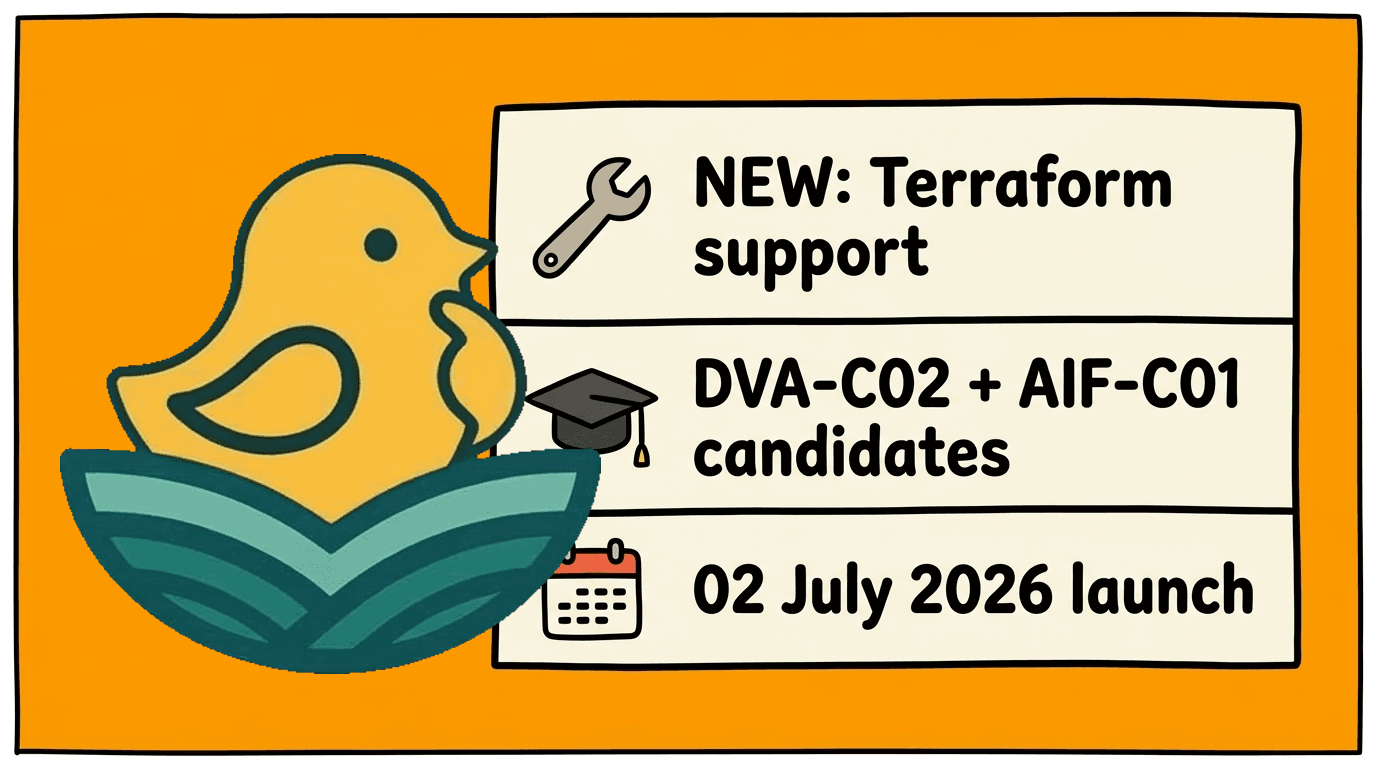
AWS just put Terraform inside SageMaker Unified Studio. Here is what that means for DVA-C02 and AIF-C01.
Reading is good. Practising is better.
Practice questions, flashcards and timed exams for 57 certifications. Start with a free starter pack — no card needed.