
How to Pass the CompTIA A+ in 2026: A Crowdsourced Study Blueprint
We analysed 13 Reddit pass reports and community threads to find out exactly how people passed the CompTIA A+ certification. Here is the crowdsourced blueprint — the resources, study time, and strategies that actually worked.
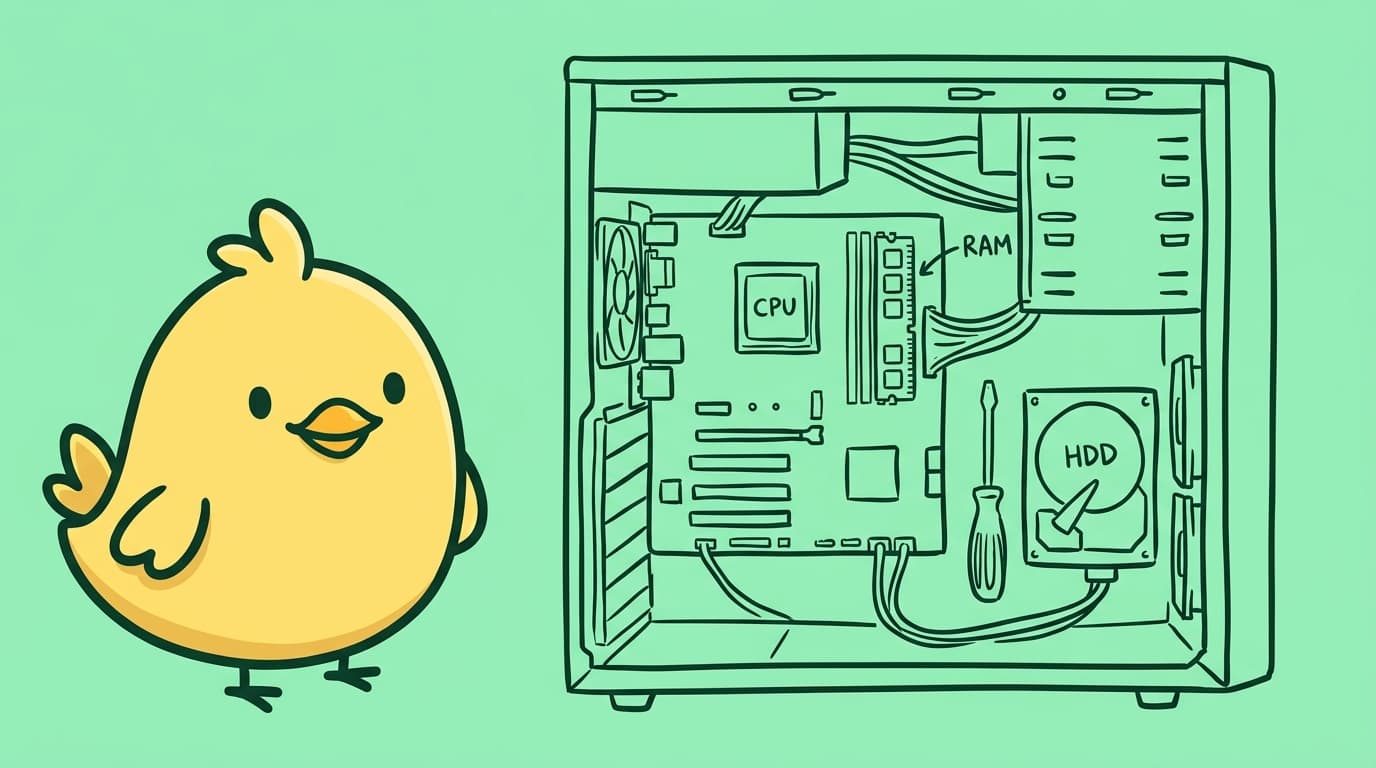
The Data: 13 Pass Reports Analysed
We compiled 13 first-hand accounts from people who passed the CompTIA A+ in 2025-2026. The consensus difficulty was 6/10 — the content is broad rather than deep, covering hardware, networking, operating systems, security, and troubleshooting across two separate exams (Core 1 and Core 2).
Most passers studied for 2-4 months part-time. The two-exam format means you are effectively preparing for two certifications, and most people found it more manageable to study and sit each exam separately rather than cramming for both at once.
Note: The 220-1101/1102 exams retired in September 2025 and were replaced by the 220-1201/1202 series launched in March 2025. If you are starting fresh, target the new exam codes, though many of the study strategies and resources below still apply.
The #1 Resource: Professor Messer Free YouTube Course
Professor Messer's free A+ video series was used by 11 out of 13 passers (85%). Like his Security+ course, Messer's A+ content is comprehensive, well-organised, and completely free — making the A+ one of the most budget-friendly certifications to prepare for.
Messer covers every exam objective in order, making it easy to track your progress. His study groups and supplementary notes are also highly regarded, though the free videos alone were sufficient for many passers.
Paid Courses and Practice Exams
Mike Meyers' Udemy course was the most popular paid option (9/13 passers). His engaging teaching style and real-world focus made complex hardware and networking topics accessible for visual learners.
Jason Dion's practice exams were the most recommended assessment tool (10/13 passers — the highest practice exam adoption rate across all certifications we tracked). Passers said Dion's questions closely matched the real exam in both format and difficulty.
Exam Strategy: Study Separately, Make Cheat Sheets, Skip PBQs
The top strategy was studying Core 1 and Core 2 as separate projects. Focus on Core 1 first (hardware, networking, mobile), pass it, then shift to Core 2 (OS, security, troubleshooting). This prevents overwhelming yourself with the full breadth of content.
Making cheat sheets or flash cards was mentioned by multiple passers as essential for memorising ports, cable types, connector pinouts, and troubleshooting steps. Like the Security+, skip Performance-Based Questions (PBQs) on the first pass and return to them after completing the multiple-choice section.
Build Your Study Plan
The winning formula from 13 passers: watch Professor Messer or Mike Meyers for each Core exam separately, drill with Jason Dion practice exams until you consistently score 80%+, make cheat sheets for memorisation-heavy topics, and skip PBQs on exam day until you finish multiple choice.
See the full crowdsourced blueprint with all resources, ratings, and study plans at readroo.st/blueprints/comptia-a-plus.
Full Study Blueprint
See the complete crowdsourced blueprint with all 1 study plan for CompTIA A+ — resources, ratings, and tips from people who passed.
Frequently Asked Questions
How long does it take to pass CompTIA A+?
Based on 13 pass reports, most people studied for 2-4 months part-time. Studying Core 1 and Core 2 separately is the most effective approach.
What is the best free resource for CompTIA A+?
Professor Messer's free YouTube course (11/13 passers) is the top choice. It covers every exam objective and is completely free.
Are the 220-1101/1102 exams still available?
The 220-1101/1102 retired in September 2025. The new 220-1201/1202 exams launched March 2025. Study strategies and most resources remain applicable to the new version.
Should I study Core 1 and Core 2 together or separately?
Separately. Most passers recommend focusing on Core 1 first, passing it, then shifting to Core 2. This prevents overwhelm from the broad content scope.
AWS Microcredentials: the free, hands-on badge most people missed
Four AWS security services changed in a single week. Here is what SAA-C03 and SCS-C03 candidates need to know.
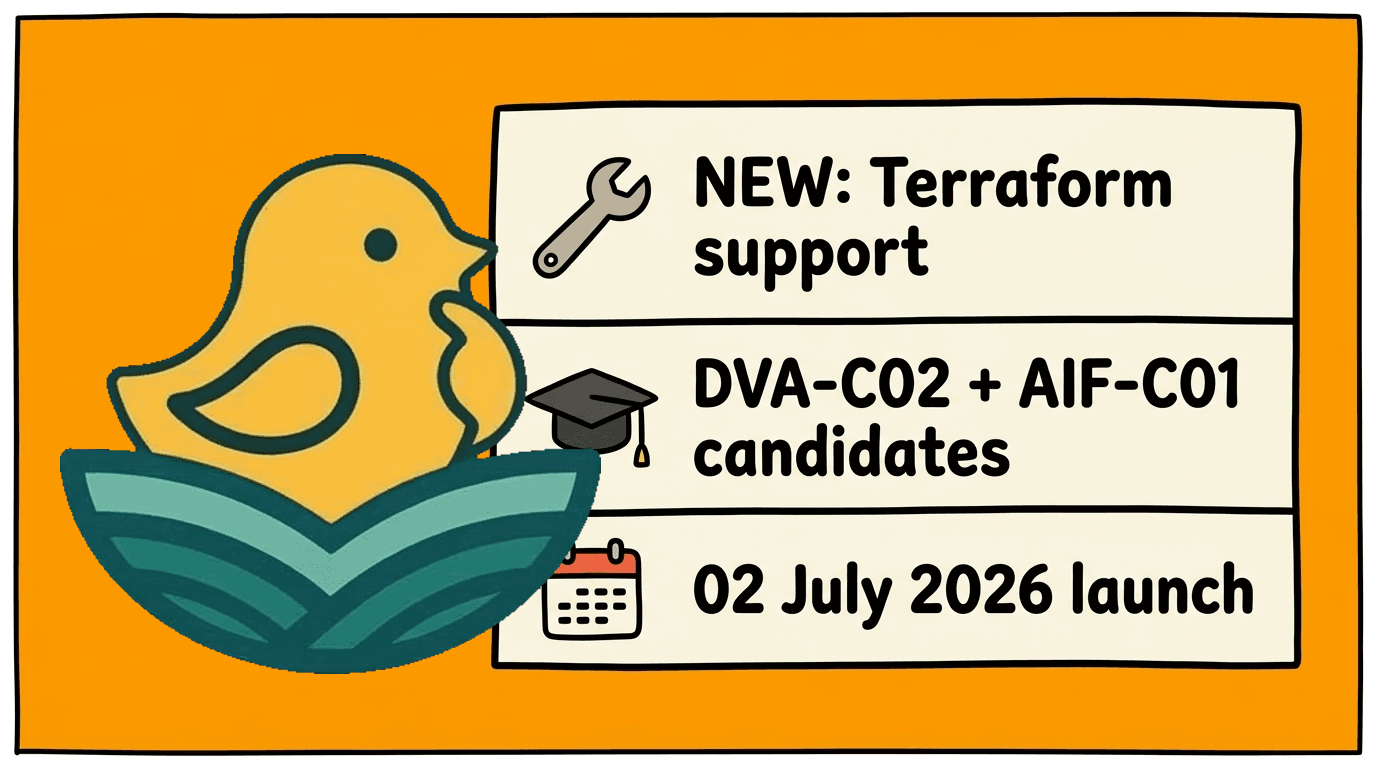
AWS just put Terraform inside SageMaker Unified Studio. Here is what that means for DVA-C02 and AIF-C01.
Reading is good. Practising is better.
Practice questions, flashcards and timed exams for 57 certifications. Start with a free starter pack — no card needed.