
How to Pass the AZ-500 in 2026: A Crowdsourced Study Blueprint
We analysed 14 Reddit pass reports and community threads to find out exactly how people passed the AZ-500 Azure Security Engineer exam. Here is the crowdsourced blueprint — the resources, study time, and strategies that actually worked.
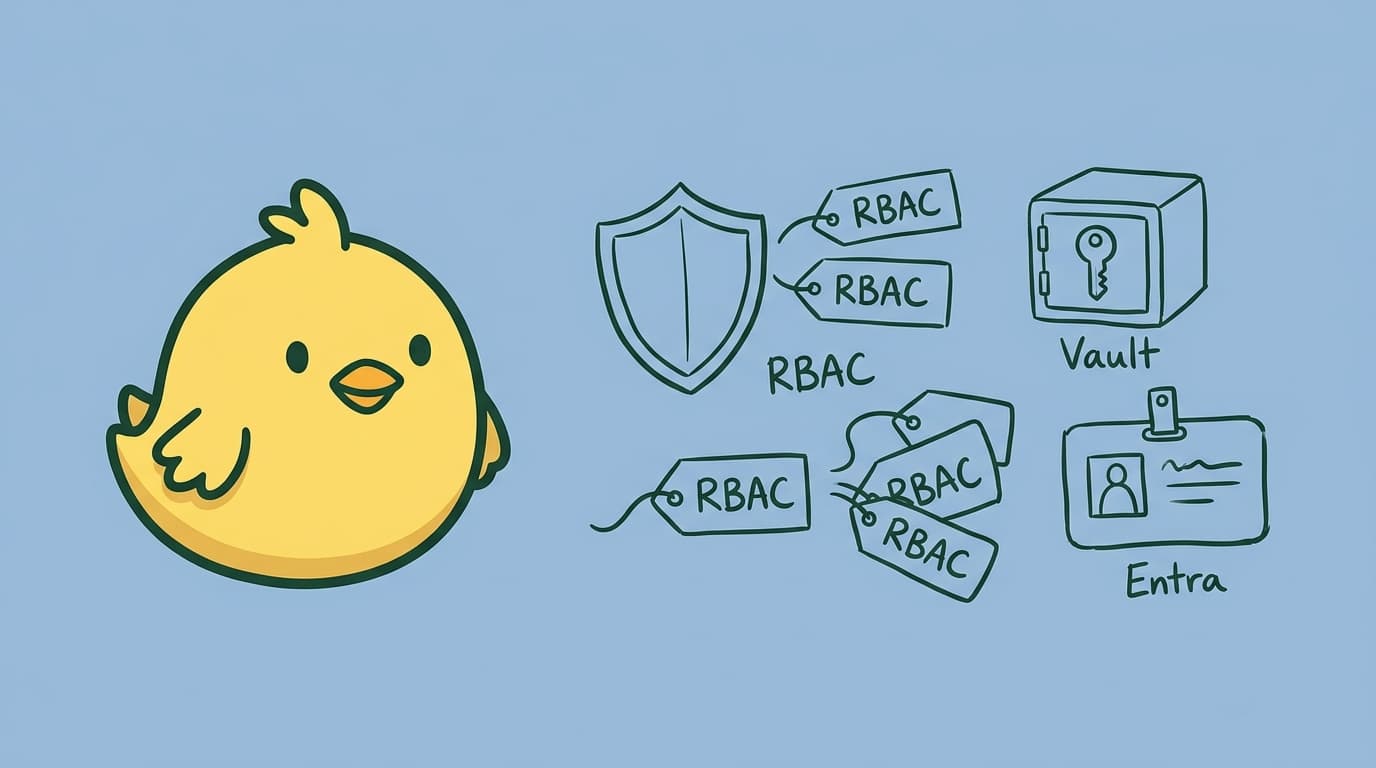
The Data: 14 Pass Reports Analysed
We compiled 14 first-hand accounts from people who passed AZ-500 in 2025-2026. The consensus difficulty was 8/10 — this is one of the harder associate/specialty exams in the Azure ecosystem, demanding both breadth and hands-on security depth.
Study time ranged from 4-8 weeks with 30-60+ hours of total effort. Passers with prior AZ-104 experience tended to finish on the shorter end, while those coming in without Azure admin background needed the full 8 weeks.
The #1 Resource: Microsoft Learn — Universal but Not Sufficient
Microsoft Learn was used by all 14 out of 14 passers — a perfect 100% adoption rate. However, unlike easier exams, almost every passer warned that Microsoft Learn alone is not enough for AZ-500. The modules provide essential conceptual grounding but lack the depth needed for scenario-based questions.
John Savill's AZ-500 playlist and study cram were used by 7 out of 14 passers (50%). His whiteboard explanations of Entra ID, RBAC, Privileged Identity Management, and network security were consistently praised as the resource that made everything click.
Practice Exams and Hands-On Labs
MeasureUp official practice tests were used by 6 out of 14 passers (43%) and described as the closest match to real exam question style. Multiple passers said MeasureUp questions were harder than the actual exam — a good sign.
Hands-on practice is NON-NEGOTIABLE for AZ-500. Passers emphasised building and configuring real resources in an Azure subscription: setting up Conditional Access policies, configuring Key Vault, enabling Defender for Cloud, and writing basic KQL queries in Sentinel.
Key Focus Areas: IAM, Entra ID, RBAC, PIM, and KQL
Identity and Access Management dominates the exam. Understand Entra ID (formerly Azure AD) deeply: Conditional Access, RBAC role assignments, Privileged Identity Management (PIM), and managed identities. Multiple passers said IAM-related questions made up 30-40% of their exam.
Learn Kusto Query Language (KQL) basics. The exam includes questions about querying logs in Sentinel and Log Analytics. You do not need to be a KQL expert, but you must understand the syntax for basic queries, filtering, and aggregation.
Build Your Study Plan
The winning formula from 14 passers: start with Microsoft Learn for structure, deepen with John Savill's videos, get hands-on with an Azure subscription, learn basic KQL, then spend the final 1-2 weeks on MeasureUp practice exams. Prioritise IAM and Entra ID above all else.
See the full crowdsourced blueprint with all resources, ratings, and study plans at readroo.st/blueprints/az-500.
Full Study Blueprint
See the complete crowdsourced blueprint with all 1 study plan for Azure Security Engineer — resources, ratings, and tips from people who passed.
Frequently Asked Questions
How long does it take to pass AZ-500?
Based on 14 pass reports, most people studied for 4-8 weeks (30-60+ hours). Prior AZ-104 experience significantly reduces the required study time.
What is the best resource for AZ-500?
Microsoft Learn (14/14 passers) is essential but not sufficient alone. John Savill's videos (7/14) and MeasureUp practice exams (6/14) fill the gaps.
How hard is the AZ-500 exam?
Rated 8/10 difficulty. One of the harder Azure exams, heavily focused on identity, access management, and security configuration scenarios.
Do I need to know KQL for AZ-500?
Yes. Multiple passers reported KQL-related questions about querying logs in Sentinel and Log Analytics. Learn basic query syntax, filtering, and aggregation.
AWS Microcredentials: the free, hands-on badge most people missed
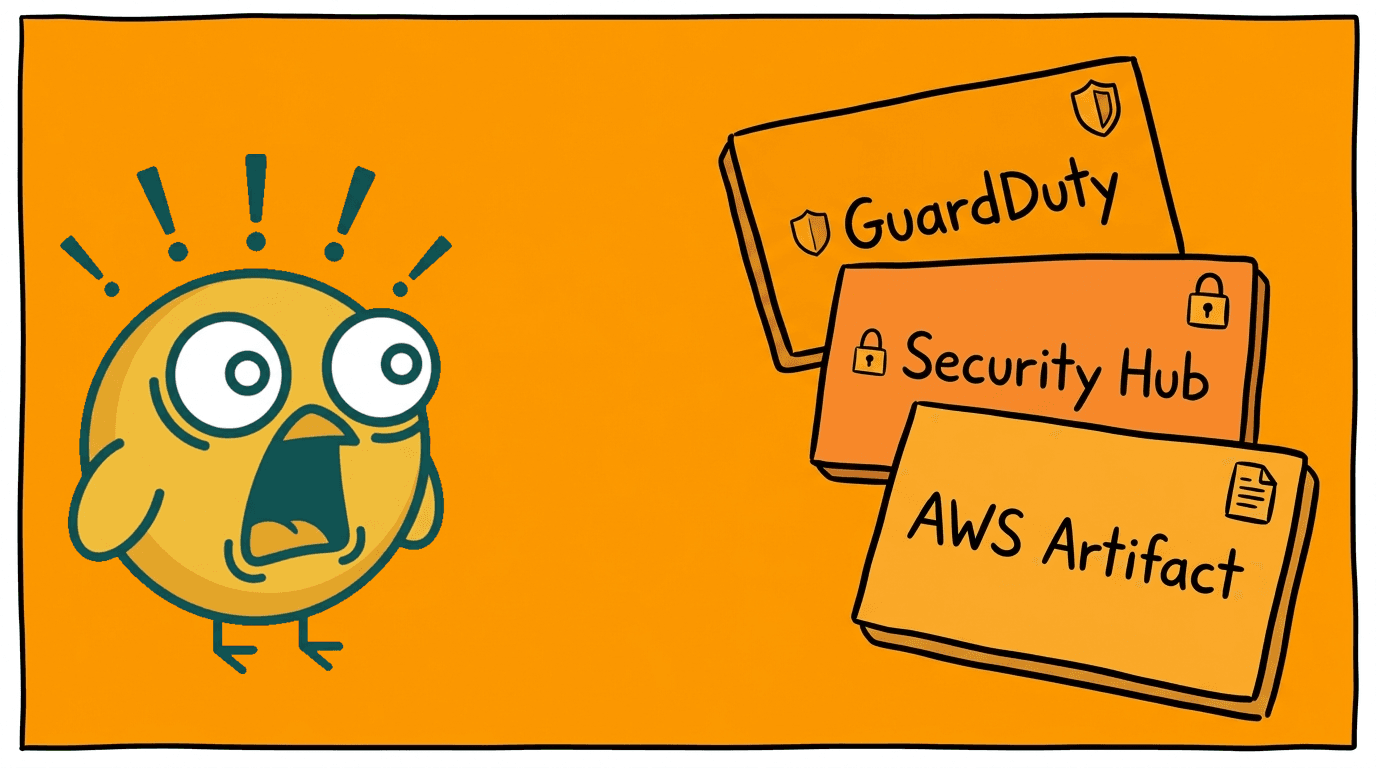
Four AWS security services changed in a single week. Here is what SAA-C03 and SCS-C03 candidates need to know.
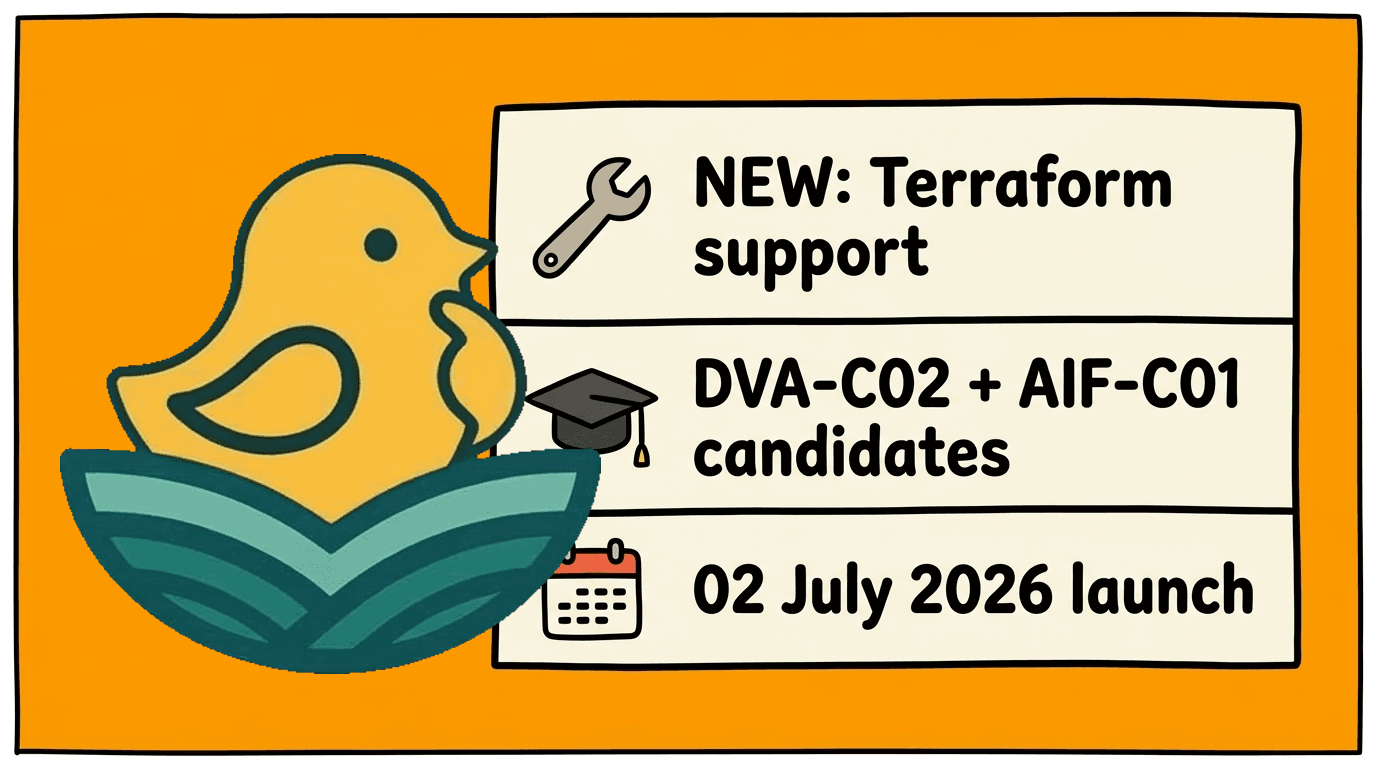
AWS just put Terraform inside SageMaker Unified Studio. Here is what that means for DVA-C02 and AIF-C01.
Reading is good. Practising is better.
Practice questions, flashcards and timed exams for 57 certifications. Start with a free starter pack — no card needed.