
How to Pass the AZ-104 in 2026: A Crowdsourced Study Blueprint
We analysed 14 Reddit pass reports and community threads to find out exactly how people passed the AZ-104 Azure Administrator exam. Here is the crowdsourced blueprint — the resources, study time, and strategies that actually worked.
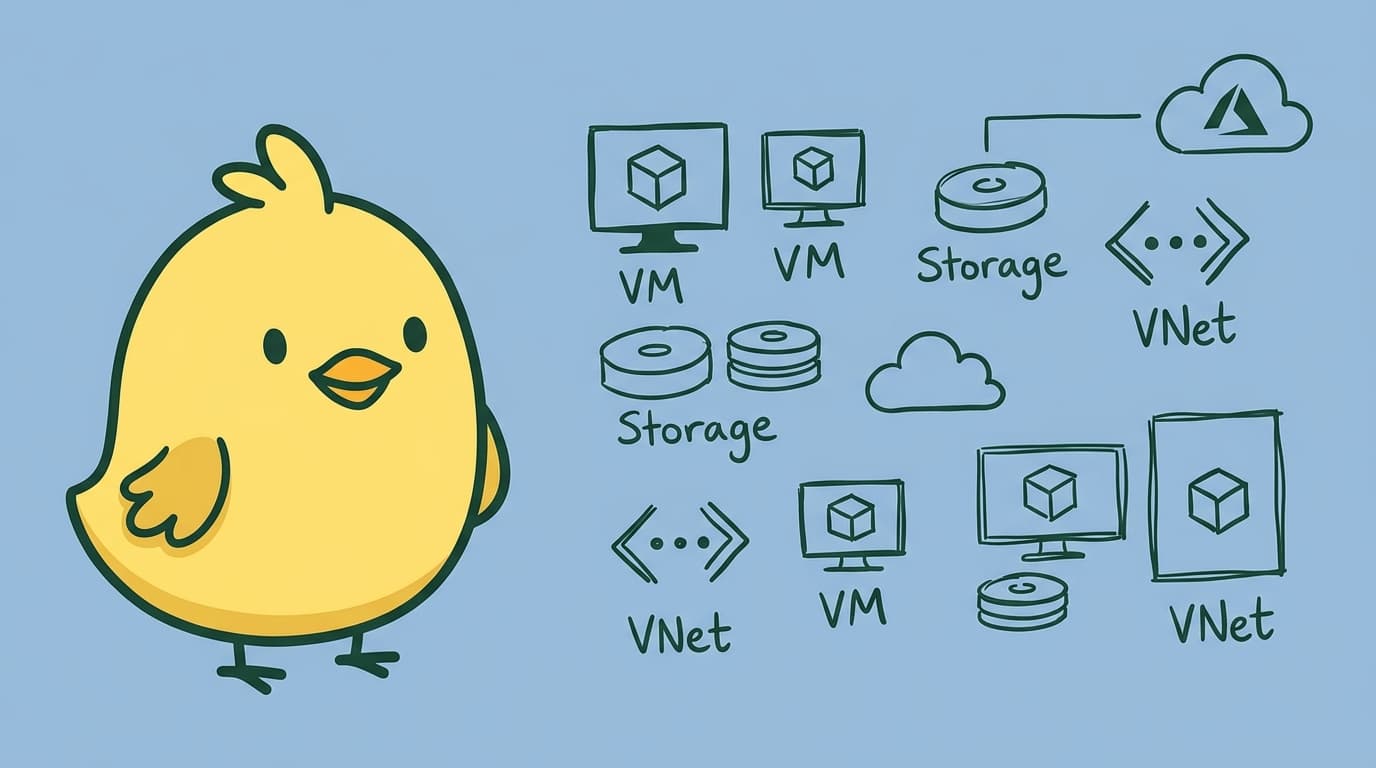
The Data: 14 Pass Reports Analysed
We compiled 14 first-hand accounts from people who passed AZ-104 in 2025-2026. The consensus difficulty was 7/10 — a significant step above fundamentals certs and one of the harder associate-level exams in the Azure stack.
Most passers spent 3-4 weeks studying, logging 60-100 hours total. Hands-on lab time accounted for a large portion of those hours, with multiple passers warning that video courses alone are not enough.
The #1 Resource: Microsoft Learn + GitHub Labs
Microsoft Learn was used by 12 out of 14 passers (86%) — the essential foundation. But for AZ-104 specifically, the GitHub-hosted interactive labs (AZ-104 Labs) were nearly as critical, used by 8 out of 14 passers.
The labs walk you through real Azure portal tasks: creating VNets, configuring NSGs, setting up storage accounts, and managing identities. Multiple passers said the exam questions closely mirror these lab scenarios.
Best Video Courses and Cram Sessions
John Savill's AZ-104 Study Cram on YouTube was used by 6 out of 14 passers as a final review and quick-reference resource. His whiteboard-style explanations were praised for making complex networking and identity topics click.
Scott Duffy's Udemy course (5/14) was the most popular paid video option. It provides structured coverage of every exam domain and pairs well with hands-on lab practice.
Exam Strategy: Hands-On Is Non-Negotiable
The single most repeated piece of advice across all 14 reports: hands-on practice is essential. An Azure free-tier subscription or sandbox environment is not optional — it is a core study tool.
Learn both Azure CLI and PowerShell commands for common tasks. The exam tests both, and knowing the syntax differences can make or break several questions. Book your exam date early to create a hard deadline and maintain momentum.
Build Your Study Plan
The winning formula from 14 passers: start with Microsoft Learn modules, complete every GitHub lab at least once, reinforce with John Savill or Scott Duffy videos, and spend the final week on practice exams and CLI drilling.
See the full crowdsourced blueprint with all resources, ratings, and study plans at readroo.st/blueprints/az-104.
Full Study Blueprint
See the complete crowdsourced blueprint with all 1 study plan for Azure Administrator — resources, ratings, and tips from people who passed.
Frequently Asked Questions
How long does it take to pass AZ-104?
Based on 14 pass reports, most people studied for 3-4 weeks (60-100 hours total). Hands-on lab time is a significant portion of those hours.
What is the best free resource for AZ-104?
Microsoft Learn (12/14 passers) paired with the official GitHub AZ-104 labs (8/14 passers). John Savill's free YouTube cram is an excellent review tool.
How hard is the AZ-104 exam?
Rated 7/10 difficulty. Significantly harder than AZ-900 and one of the more challenging associate-level Azure exams, especially the networking and identity sections.
Do I need hands-on experience for AZ-104?
Absolutely. Every passer emphasised hands-on lab time as essential. Use an Azure free-tier subscription or the GitHub-hosted labs to practise real portal tasks.
AWS Microcredentials: the free, hands-on badge most people missed
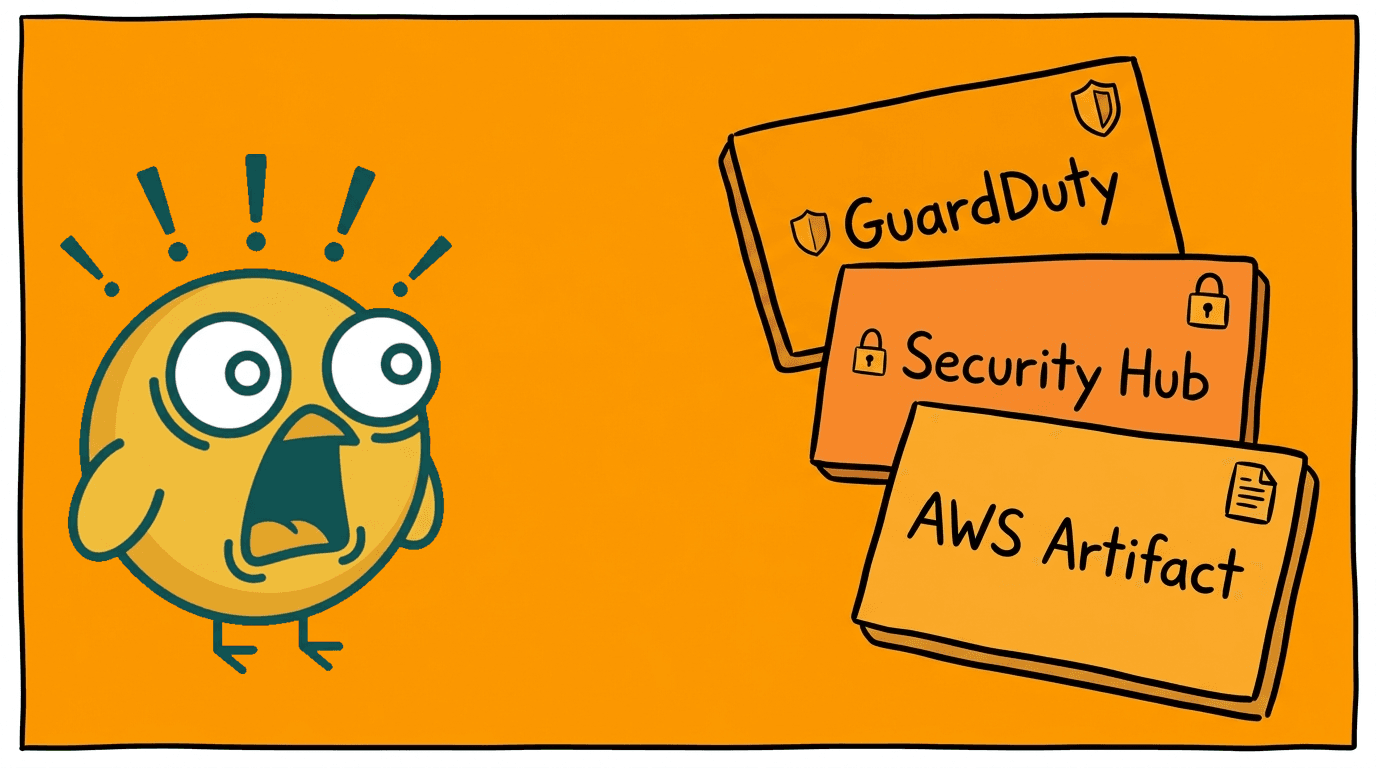
Four AWS security services changed in a single week. Here is what SAA-C03 and SCS-C03 candidates need to know.
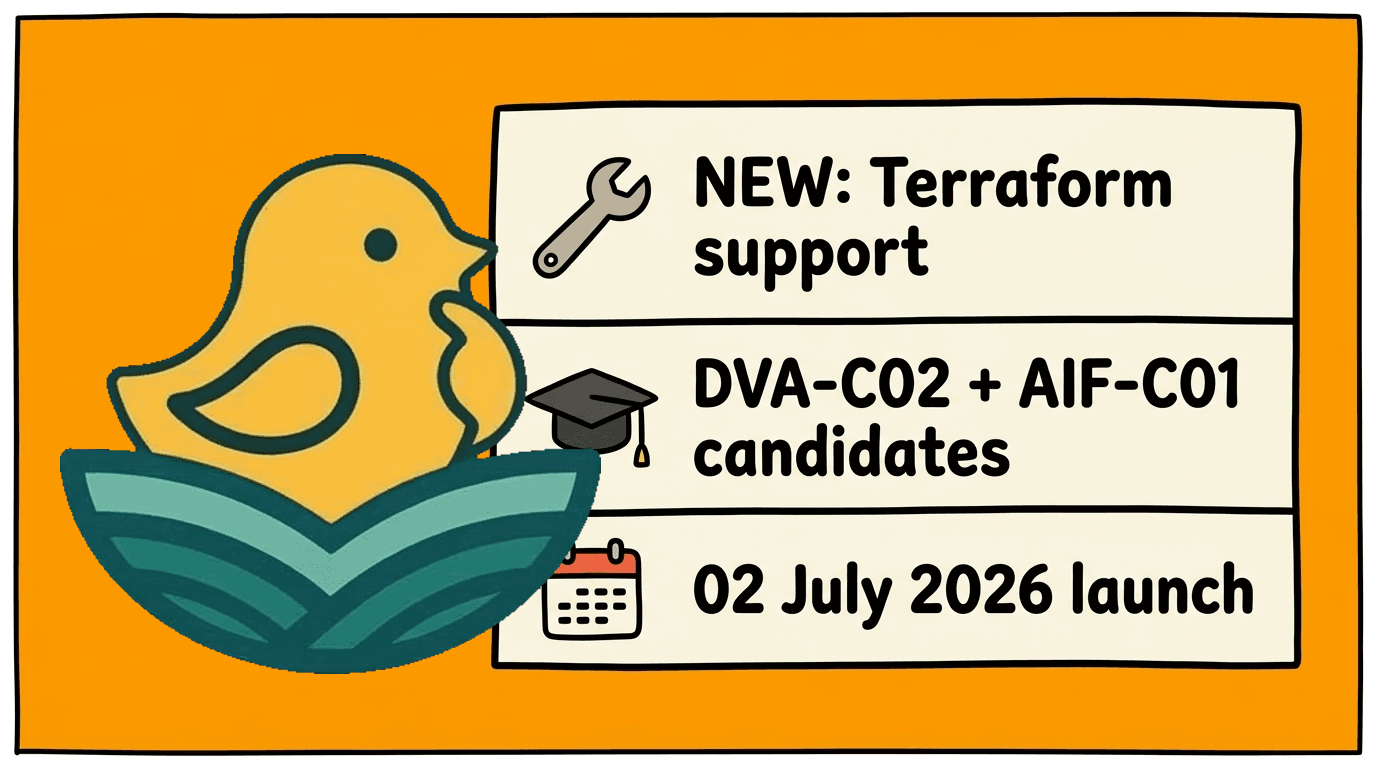
AWS just put Terraform inside SageMaker Unified Studio. Here is what that means for DVA-C02 and AIF-C01.
Reading is good. Practising is better.
Practice questions, flashcards and timed exams for 57 certifications. Start with a free starter pack — no card needed.